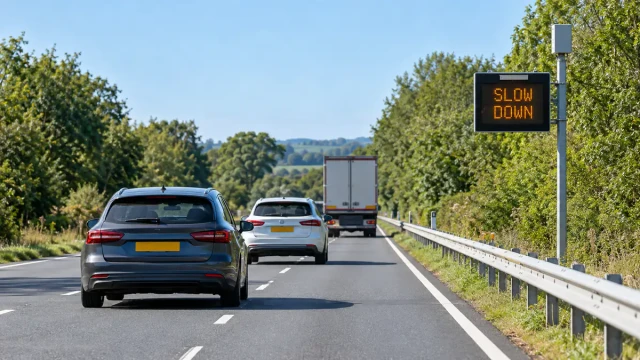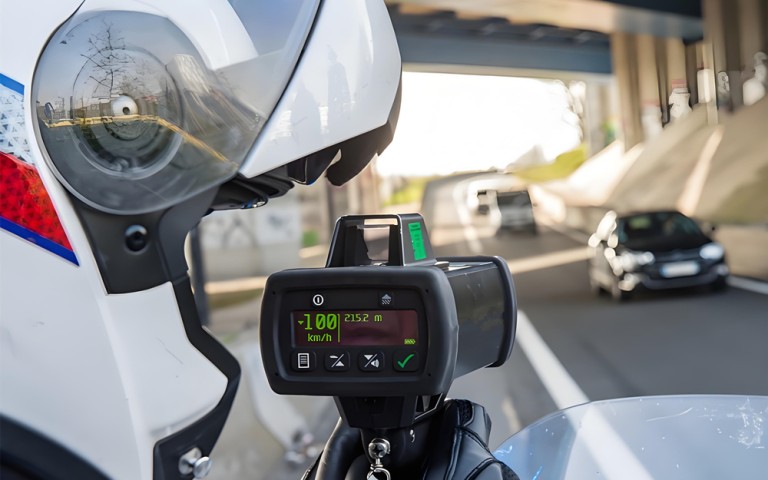
Speed enforcement cameras must do more than measure vehicle speed. They must associate the measurement with the correct vehicle and produce images or records that meet the operational and legal requirements of the project.
Nighttime, rain, fog, road spray, glare and rapidly changing light make this process more difficult. Radar can continue measuring vehicle movement without visible light, but the camera still needs suitable optics, exposure settings and illumination to produce usable evidence.
This guide explains how radar measurement, camera triggering, infrared illumination and evidence processing work together in nighttime and adverse-weather speed enforcement.
How Does a Speed Enforcement Camera Work?
An automated speed enforcement system normally combines several functions:
- A sensor detects an approaching or departing vehicle.
- Radar, lidar or another approved method measures vehicle speed.
- The system determines whether the measured speed exceeds the configured enforcement threshold.
- The camera captures one or more images of the vehicle.
- The system associates the speed, lane, time, location and image with the same target.
- The resulting record is reviewed and processed according to local legal requirements.
The measurement device and camera may be integrated into one enclosure or installed as separate components connected through a controller. In multi-lane systems, accurate target-to-lane and target-to-image association is particularly important.
Can Speed Cameras Work at Night?
Yes, properly designed speed enforcement cameras can operate at night. However, nighttime operation depends on two different technical functions.
Speed measurement
Radar does not require visible light to measure vehicle speed. It transmits radio-frequency energy and analyzes the reflected signal. This allows the radar measurement function to operate during darkness and under many lighting conditions that would challenge an ordinary camera.
Lidar also measures vehicle speed independently of ambient visible light, although atmospheric visibility and the optical path remain relevant to laser-based systems.
Vehicle and number-plate imaging
The camera must still capture a clear image. At night, this normally requires a combination of:
- A sensor with suitable low-light performance
- A sufficiently fast shutter speed
- Appropriate lens aperture and focal length
- Controlled image gain
- Visible, far-red or infrared illumination
- Correct camera-to-road geometry
- Exposure settings appropriate for reflective number plates
A camera that produces a bright general road image may still fail to capture a readable plate. Conversely, excessive illumination can cause a reflective plate to become overexposed. The system must balance vehicle overview, plate detail and motion control.
Why Fast Shutter Speed Matters
A vehicle moving through the enforcement zone can travel a significant distance during a camera exposure. If the exposure is too long, motion blur can make the number plate or vehicle details unreadable.
A faster shutter reduces motion blur but also allows less light to reach the image sensor. The system must compensate through illumination, aperture, sensor sensitivity or a combination of these factors.
Increasing electronic gain can brighten an image, but excessive gain also adds noise and reduces detail. Effective nighttime systems therefore rely on controlled illumination and suitable optics rather than gain alone.
Infrared and Far-Red Illumination
Dedicated illumination helps the camera maintain consistent exposure when ambient lighting changes. Depending on the camera, installation direction and applicable regulations, the system may use infrared, far-red or carefully controlled visible light.
Infrared illumination is commonly used to improve number-plate contrast without relying on street lighting. The illumination wavelength must match the camera sensor and optical filter. An infrared lamp will provide little benefit if the camera filter blocks the same wavelength.
Front-facing illumination requires particular care because an intense flash may distract or temporarily affect a driver’s vision. Equipment selection and installation must follow the relevant approval requirements and local regulations. The UK Home Office enforcement-camera handbook, for example, specifies requirements for front-facing flash intensity and filtering.
How Rain Affects Speed Enforcement Cameras
Rain affects radar and imaging differently.
Radar measurement in rain
Traffic radar can continue operating in rain, but it should not be described as completely unaffected by every weather condition. Heavy precipitation, water on the radome, roadside reflections and unsuitable installation geometry can influence signal quality.
The radar enclosure and radome should remain clean and undamaged. Drainage, sealing and mounting angle should prevent water from accumulating in front of the antenna.
Camera imaging in rain
Rain introduces several optical problems:
- Water droplets on the lens or protective window
- Road spray obscuring the vehicle or plate
- Headlight and streetlight reflections from wet pavement
- Reduced contrast
- Bright streaks from illuminated raindrops
- Increased glare from reflective surfaces
A weatherproof housing alone does not solve these problems. The camera position, hood design, lens window, illumination angle and maintenance plan all affect image quality.
Fog, Snow and Road Spray
Fog and road spray scatter light between the illuminator, vehicle and camera. Stronger illumination does not always improve the result because additional light can produce more backscatter.
The system may need to reduce illumination intensity, change the light angle or use wavelength-selective filtering. Camera placement should also avoid aiming through the densest spray generated by passing vehicles.
Snow can obscure lane markings and number plates, while illuminated snowflakes may create bright image artifacts. Radar may continue detecting targets, but reliable enforcement still depends on obtaining evidence of sufficient quality.
If the image cannot reliably identify the required vehicle or plate, the record should be rejected even when a speed measurement exists.
Radar Triggering and Vehicle Association
In a radar-camera system, the radar can continuously track vehicles and transmit a trigger when a target meets the configured enforcement conditions.
The trigger may include:
- Measured speed
- Target distance
- Lane assignment
- Direction of travel
- Target coordinates
- Timestamp
- Trigger position
The camera or edge controller uses this information to capture the target at a suitable point in the enforcement zone.
A simple radar trigger is often sufficient for a single-lane installation. Multi-lane enforcement requires more detailed target tracking because multiple vehicles can appear in the camera image at the same time. The system must identify which vehicle produced the recorded speed.
Multi-Lane Speed Enforcement at Night
Nighttime multi-lane enforcement combines the challenges of target tracking and image exposure. A robust design should address:
- Simultaneous tracking of vehicles in different lanes
- Lane-level target association
- Occlusion by trucks or buses
- Different reflective properties of front and rear plates
- Headlight and taillight glare
- Consistent timing between radar and camera
- Sufficient image resolution across the full road width
Using one wide image for several lanes may reduce the number of pixels available for each number plate. Some projects therefore use separate overview and plate cameras or more than one imaging position.
Radar, Camera and Controller Synchronization
Accurate synchronization is essential when measurements and images come from separate devices. The system must account for:
- Radar measurement update rate
- Communication delay
- Camera trigger latency
- Exposure timing
- Vehicle travel between measurement and image positions
- Clock synchronization between system components
At higher speeds, even a short delay changes the vehicle position noticeably. Commissioning tests should therefore verify the complete measurement-to-image chain rather than testing the radar and camera independently.
What Information Should an Enforcement Record Contain?
Exact requirements vary by jurisdiction, but an enforcement record may include:
- One or more vehicle images
- A number-plate image or crop
- Measured vehicle speed
- Applicable speed limit
- Time and date
- Enforcement location
- Lane and direction
- Device identification
- System status or validation data
The image should clearly associate the reported measurement with the correct vehicle. Some systems also use road markings, a secondary image or another independent method to verify vehicle position and movement.
Common Nighttime Image Problems
| Problem | Likely cause | Possible response |
|---|---|---|
| Blurred number plate | Exposure time too long | Use a faster shutter and provide sufficient controlled illumination |
| White or unreadable plate | Overexposure from reflective plate | Adjust illumination power, exposure or camera angle |
| Dark vehicle overview | Insufficient light or restricted dynamic range | Use separate overview and plate exposure strategies |
| Headlight glare | Camera positioned too close to the headlight axis | Change mounting geometry or use suitable filtering |
| Rain streaks or bright droplets | Illuminator positioned close to the camera axis | Adjust illumination angle and protect the optical window |
| Wrong vehicle associated with speed | Insufficient lane or target tracking | Use lane-level coordinates and verify timing alignment |
Installation and Commissioning Checklist
A speed enforcement camera should be tested at the actual site and under representative operating conditions. The commissioning process should include:
- Daytime and nighttime image tests
- Dry and wet-road tests where practical
- Different vehicle types, colors and plate positions
- Different lanes and approach speeds
- Multiple vehicles entering the enforcement zone together
- Verification of radar-to-camera timing
- Confirmation of lane assignment
- Measurement accuracy and calibration checks
- Review of rejected or ambiguous records
- Testing after any change to mounting position or software configuration
The project should also define inspection, cleaning, calibration and maintenance intervals. A system that performed correctly during initial commissioning may deteriorate if the lens becomes dirty, the mounting structure moves or the detection zones are changed.
Choosing Radar for a Speed Enforcement Camera
Important radar requirements include:
- Required measurement distance
- Number of lanes
- Minimum and maximum vehicle speed
- Approaching or departing detection
- Lane and coordinate output
- Multi-target tracking capacity
- Measurement update rate
- Communication interface
- Trigger logic
- Environmental protection
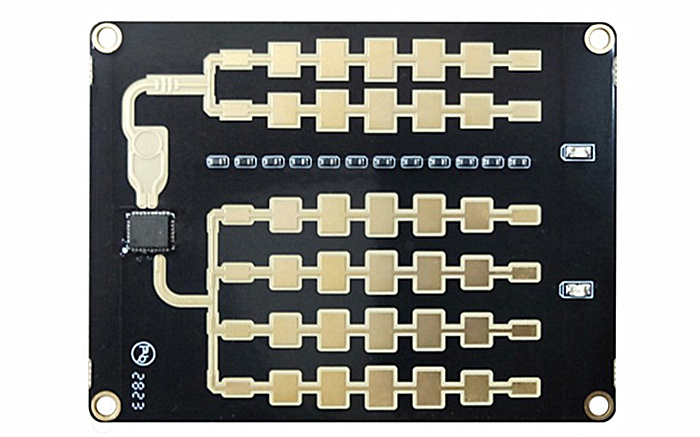
The WaveLogic HC-M150 multi-lane traffic radar provides vehicle speed, position and trajectory data for system integration. Its target-level data can support camera-triggering and lane-association workflows when integrated with a suitable controller and imaging system.
For a complete system-level overview, see the speed enforcement radar solution. You can also read our guide to radar speed cameras for a broader explanation of measurement and camera integration.
Legal and Operational Requirements
Technical capability does not by itself make a system suitable for enforcement. Device approval, calibration, signage, privacy rules, evidence handling and review procedures vary by country and jurisdiction.
System integrators should confirm the applicable legislation and approval requirements before selecting equipment. Records should be protected against unauthorized alteration, and the operating agency should maintain documented procedures for calibration, review, rejection and audit.
Frequently Asked Questions
Do speed cameras work in complete darkness?
They can when the speed sensor operates independently of visible light and the camera has suitable infrared, far-red or visible illumination. Image performance still depends on the camera, lens, exposure and installation geometry.
Can rain make a speed camera inaccurate?
Rain does not automatically invalidate a radar measurement, but severe weather can affect signal quality, visibility and evidence images. The system should monitor operating conditions and reject records that do not meet the required quality standard.
Why do speed cameras flash at night?
The flash or illuminator provides enough light for a short camera exposure. A short exposure helps reduce motion blur when vehicles are moving quickly.
Can infrared illumination read every number plate?
No. Performance depends on plate design, reflectivity, dirt, damage, viewing angle, camera filter, wavelength and exposure. The system must be tested with the number plates used in its target market.
Can one camera enforce several lanes?
It is technically possible, but the system must maintain sufficient image resolution and reliably associate each measurement with the correct vehicle and lane. Some installations use multiple cameras or separate overview and plate cameras.
Does radar take the enforcement photograph?
No. Radar measures or tracks the target and may send a trigger. The camera captures the image. The controller or processing system combines the measurement and image into one record.
Conclusion
Nighttime and adverse-weather speed enforcement requires coordinated radar measurement, camera exposure, illumination, target association and evidence processing. Radar can measure vehicle movement without visible light, but usable enforcement records still depend on obtaining clear and correctly associated images.
The most reliable system is not simply the one with the longest detection range or brightest illumination. It is the system whose measurement, camera, timing, lane association and review workflow have been validated together under the real conditions of the installation site.